
Swallowing Disorders
What are swallowing disorders?
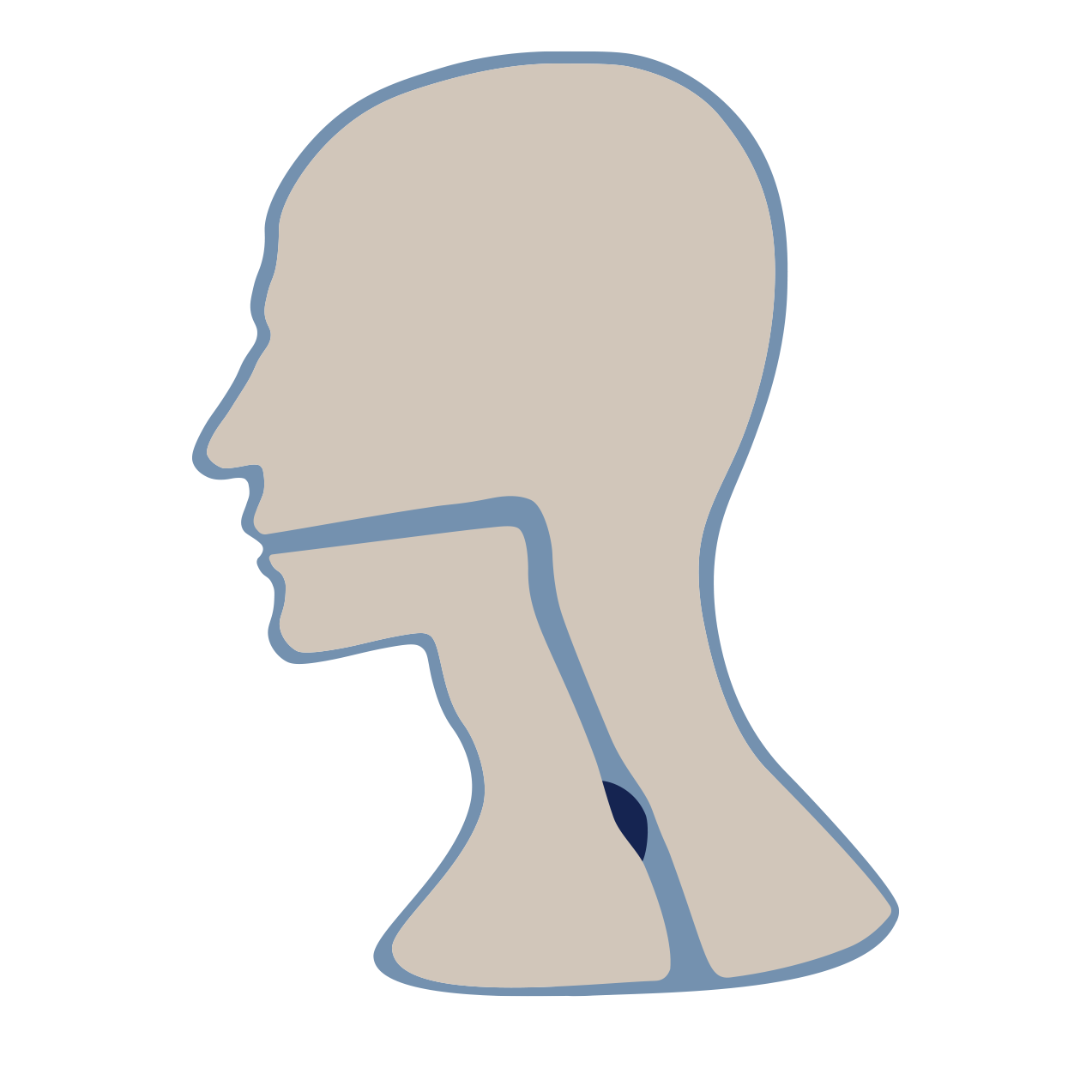
Swallowing disorders cause difficulty or discomfort when swallowing, known as dysphagia. This can range from the sensation of food getting stuck to difficulty initiating the swallow. Dysphagia is a symptom, not a disease, and can be caused by problems in the oesophagus (e.g., strictures, reflux damage, eosinophilic oesophagitis, motility disorders such as achalasia) or neurological issues.
Symptoms and signs
The two main symptoms are pain on swallowing (odynophagia) or difficulty swallowing (dysphagia), but patients may also report:
Sensation of food being caught in the throat or chest (globus sensation)
Coughing or choking when eating or drinking
Regurgitation of food
Recurrent pneumonia (due to aspiration)
Weight loss or malnutrition
How is swallowing disorder diagnosed and investigated?
A thorough investigation is required to identify the cause of dysphagia:
Gastroscopy (upper endoscopy): To directly examine the esophagus, identify structural causes (strictures, rings), inflammation (oesophagitis), or rule out cancer. Biopsies may be taken.
Barium swallow: An test where the patient swallows a liquid visible on X-ray, allowing the specialist to view the movement of food and identify structural blockages or motility issues.
Oesophageal manometry: Measures the strength and coordination of the oesophageal muscles during a swallow, essential for diagnosing motility disorders (e.g., achalasia, diffuse esophageal spasm).
Treatment and management of swallowing disorders
Treatment depends entirely on the underlying cause:
Medication: For inflammatory causes like eosinophilic osophagitis or severe reflux.
Endoscopic dilation: For strictures or rings, a balloon or dilator is passed through the endoscope to gently stretch the narrowed area.
Advanced endoscopic procedures: Dr Selvanderan performs procedures such as Per-Oral Endoscopic Myotomy (POEM) for motility disorders like achalasia, and endoscopic treatment of Zenker’s diverticulum
Surgery: Rarely required, but may be an option for certain cancers or severe motility issues.

Get answers and treatment for your swallowing issues
Dr Shane Selvanderan is highly experienced in investigating and managing complex swallowing disorders, utilising advanced diagnostic techniques and therapeutic endoscopy, including POEM, to provide effective relief.