
Capsule Endoscopy Melbourne
What is a capsule endoscopy?
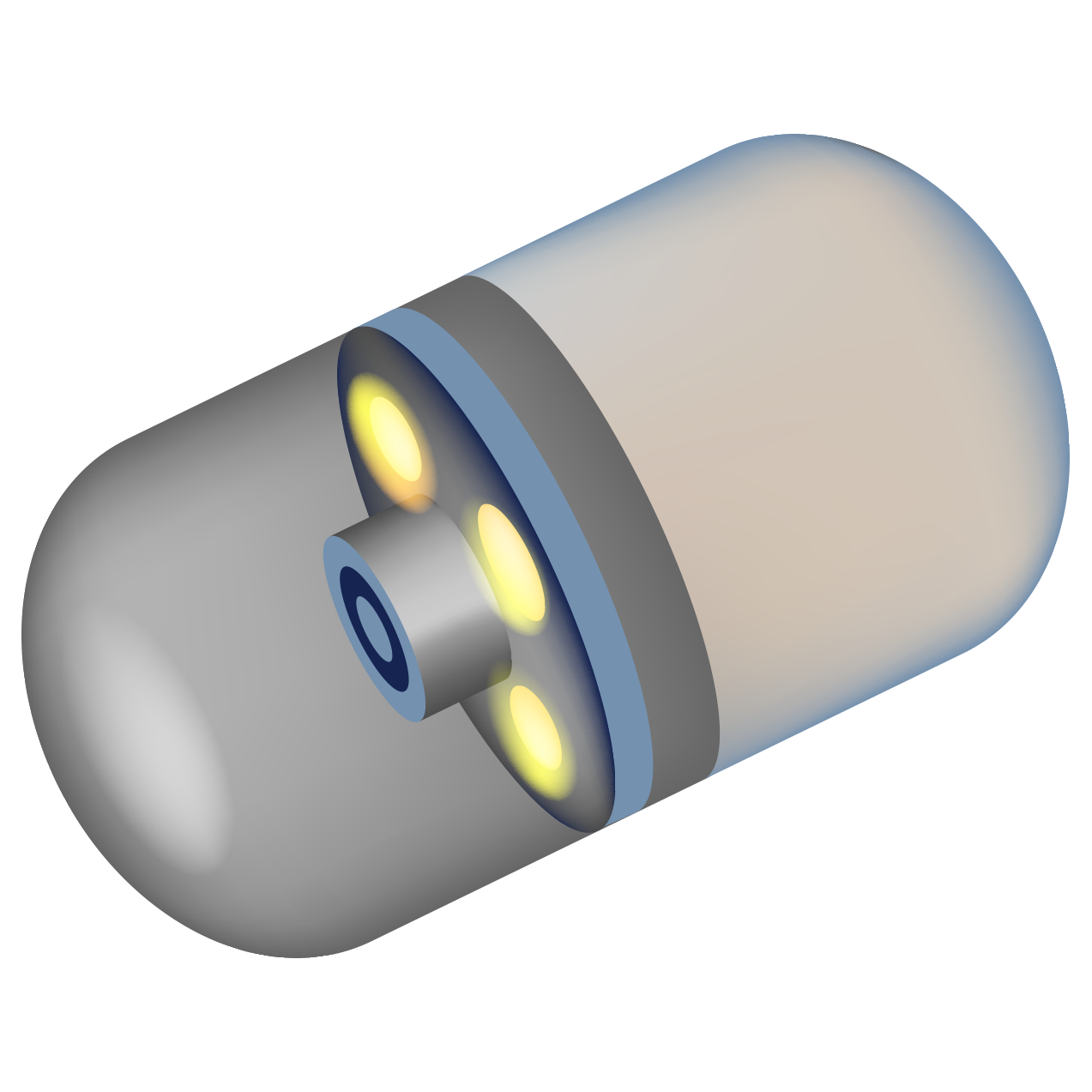
Capsule endoscopy is a non-invasive procedure used to take pictures of the entire small intestine (which is difficult to reach with conventional endoscopes). The patient swallows a small vitamin-sized capsule that contains a miniature camera, light source, battery, and transmitter.
As the capsule naturally passes through the digestive tract, it takes thousands of images that are transmitted wirelessly to a recording device worn on a belt around the patient's waist.
Why might you need a capsule endoscopy?
This procedure is excellent for visualising the small bowel lining and is often the first-line test for investigating small bowel diseases. Reasons for capsule endoscopy include:
Obscure gastrointestinal bleeding (OGIB): The most common reason, used to locate the source of blood loss in the small intestine after gastroscopy and colonoscopy do not find a source
Crohn's disease: Diagnosing or assessing the extent and activity of Crohn's disease in the small bowel.
Small bowel polyps/tumours: Screening for and detecting lesions in the small intestine (e.g., in polyposis syndromes).
Preparing for your capsule endoscopy?
Proper bowel cleansing is required to ensure clear images.
Fasting: You will be given instructions regarding fasting before the procedure
Bowel Preparation: You may be required to take a liquid preparation to cleanse the small bowel, similar to a lighter colonoscopy prep.
Medication: Certain medications (e.g., iron supplements) may need to be stopped for several days prior; Dr Selvanderan will provide specific advice.
What to expect?
The procedure is simple and requires no sedation.
Swallowing the capsule: You will visit the rooms to swallow the capsule with a small amount of water, and the recording belt and sensor array will be attached.
During the procedure: You can leave the clinic and resume light activities for the next 8 hours while the capsule travels through your small bowel. You will be advised on when you can start drinking clear fluids and have a light meal.
Completion: After about 8-12 hours, you will return the recording device to Dr Selvanderan's rooms. The capsule passes naturally through the body and is excreted, usually unnoticed.
Your Recovery
There is no recovery period or sedation involved.
Post-procedure: You can generally resume normal activity and diet after the recording is complete.
Reading the Images: Dr Selvanderan downloads and reviews the thousands of images captured by the capsule, and creates a detailed report.
Results: Results will be discussed with you and your referring doctor, usually within a week of the procedure.
Risks
Capsule endoscopy is a very safe procedure. The main, though rare, risk is that of capsule retention. The capsule can become stuck in a narrowed part (stricture) of the small intestine. This requires urgent attention and may necessitate an enteroscopy or surgery to remove it. This risk is higher in patients with known or suspected small bowel strictures (e.g., severe Crohn's disease).
Thorough assessment of small bowel diseases with capsule endoscopy
Dr Shane Selvanderan provides expert capsule endoscopy services for the non-invasive diagnosis of small bowel conditions. He is also able to perform enteroscopy to further investigate and manage any abnormalities seen on capsule endoscopy.