
Irritable Bowel Syndrome (IBS)
What is irritable bowel syndrome (IBS)?
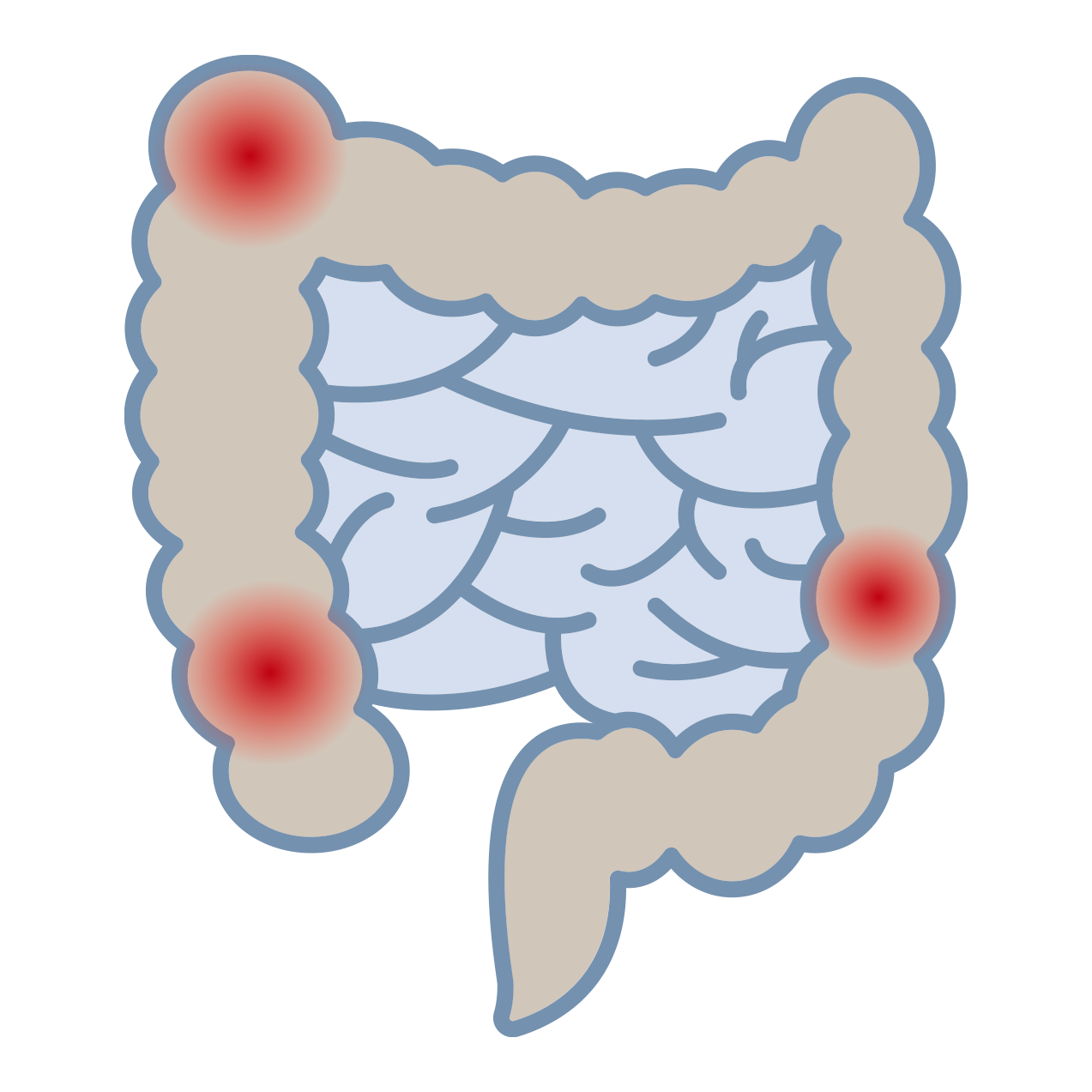
Irritable bowel syndrome (IBS) is a common, chronic disorder of the gut-brain interaction, characterised by recurrent abdominal pain associated with changes in bowel habits. It is a functional gastrointestinal disorder, meaning there is no visible inflammation or structural damage to the bowel, unlike inflammatory bowel disease. IBS is thought to be related to heightened gut sensitivity, abnormal motility, and changes in the gut microbiome.
Symptoms and signs
The core symptoms are chronic, recurring abdominal pain, cramping, or discomfort, along with at least two of the following:
Pain related to passing stools
Change in the frequency of stool (diarrhoea, constipation, or both)
Change in the form (appearance) of stool (lumpy/hard or loose/watery)
Other common symptoms include bloating, distension, and the feeling of incomplete evacuation.
How is irritable bowel syndrome diagnosed and investigated?
Although IBS can be diagnosed on the basis of clinical symptoms, in many cases, other underlying conditions must be ruled out first, especially in patients with "alarm symptoms" such as weight loss, blood in stool, or anaemia.
Clinical criteria: Diagnosis is made based on the characteristic symptoms (using the Rome IV criteria).
Blood and stool tests: Typically performed to rule out conditions like Coeliac disease, IBD, and infections.
Gastroscopy and colonoscopy: May be required, especially in older patients or those with alarm symptoms, to exclude diseases like cancer or inflammatory bowel disease.
Treatment and management of irritable bowel syndrome
Management focuses on controlling symptoms and improving quality of life:
Dietary modification: The cornerstone of treatment, often involving the low FODMAP diet under the guidance of a specialist dietitian to identify and eliminate trigger foods.
Lifestyle changes: Stress management, regular exercise, and ensuring adequate sleep can improve symptoms
Medication: Used to target specific symptoms, including antispasmodics for pain, laxatives for constipation, and anti-diarrhoeal agents.
Gut-brain therapies: Psychological interventions, such as gut-specific hypnotherapy

Find relief for your IBS symptoms
Dr Shane Selvanderan provides a comprehensive approach to diagnosing and managing IBS, focusing on personalised strategies, including dietary and pharmacological interventions, to help patients effectively manage their symptoms. He collaborates closely with a dietician, psychologist and pelvic care physiotherapist where appropriate as part of his tailored approach to each individual’s gut health.