
Iron Deficiency and Anaemia
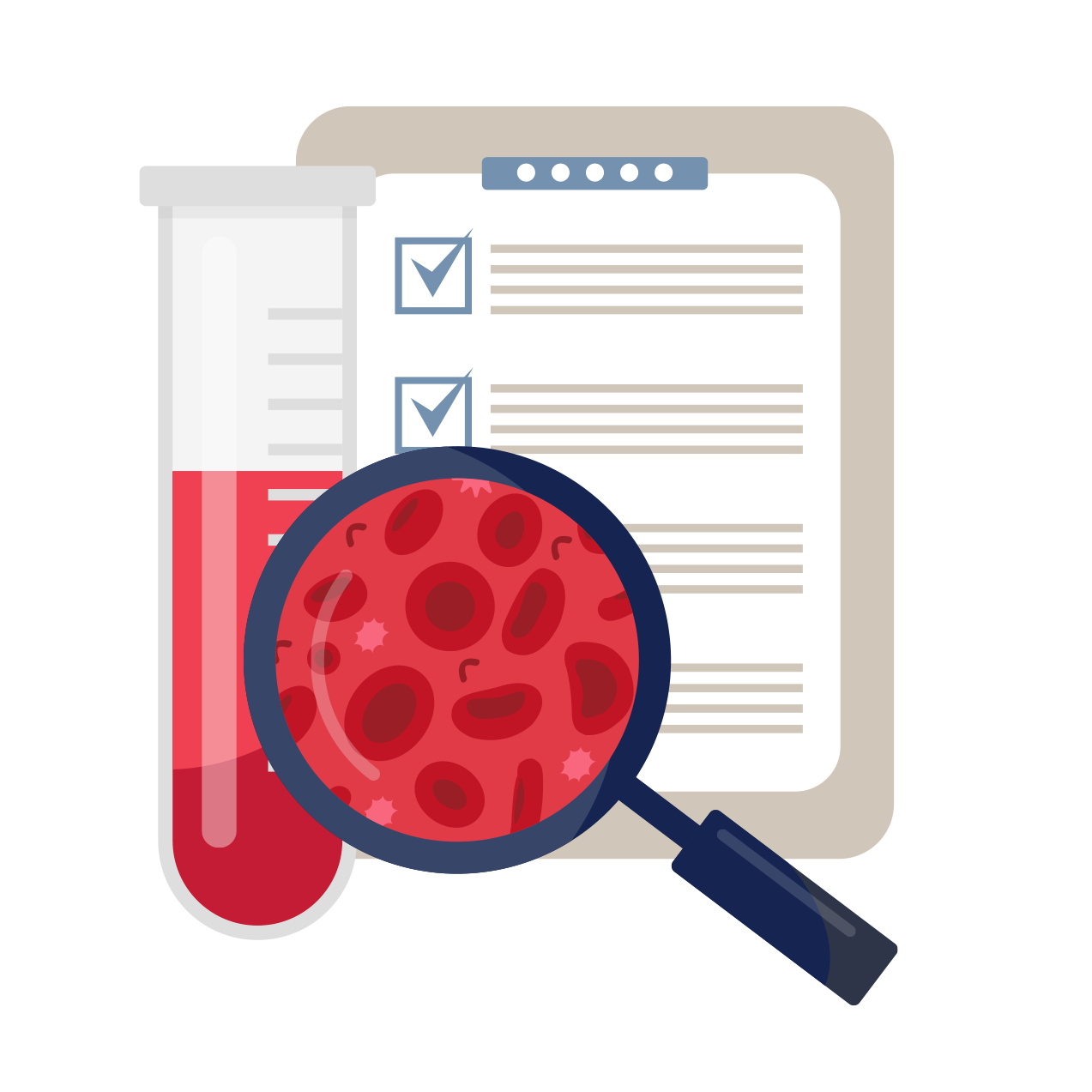
What is iron deficiency and anaemia?
Iron deficiency is the most common cause of anaemia (a low red blood cell count) worldwide. Iron is essential for the body to produce haemoglobin, which allows red blood cells to carry oxygen. When the body does not have enough iron, it cannot produce enough healthy red blood cells, leading to anaemia.
Iron deficiency and associated anaemia are important to evaluate because this could be the first or only sign of underlying gastrointestinal conditions, such as bleeding from ulcers, polyps, or cancers, or malabsorption issues like coeliac disease.
Symptoms and signs
The symptoms of iron deficiency and anaemia often develop gradually and can be subtle initially. Common signs and symptoms include:
Fatigue, weakness, and lack of energy
Pale skin (pallor)
Shortness of breath
Headaches and dizziness
Cold hands and feet
Brittle nails or hair loss
Restless legs syndrome
How is iron deficiency and anaemia diagnosed and investigated?
Diagnosis typically begins with a blood test (full blood count and iron studies) that confirms anaemia and iron deficiency.
Once confirmed, diagnostic procedures to evaluate the gastrointestinal tract are generally recommended to identify the underlying cause. These procedures could include:
Gastroscopy (upper endoscopy): To examine the upper digestive tract (oesophagus, stomach, and duodenum) for sources of bleeding, inflammation, or malabsorption issues.
Colonoscopy: To examine the large bowel (colon) for polyps, cancers, or other causes of occult blood loss.
Capsule endoscopy: A camera that is the size of a pill is swallowed, which can take pictures of the entire small intestine.
Enteroscopy: A specialised procedure with a long endoscope, that may be required if bleeding is suspected in the small intestine, beyond the reach of standard gastroscopy or colonoscopy.
Treatment and management of iron deficiency and anaemia
Management of iron deficiency and anaemia involves two critical steps: correcting the iron stores and addressing the underlying cause.
Correcting iron stores: This is achieved through oral iron supplements or, for severe cases, those who cannot tolerate oral supplements, or patients with ongoing blood loss, intravenous iron infusion
Treating the underlying cause: This is often the most crucial step and depends on the diagnostic findings. Treatment may involve medications (e.g., for ulcers or inflammatory bowel disease), endoscopic procedures (e.g., polyp removal or cauterisation of bleeding blood vesselsl), or, in rare cases, surgery.

Get expert investigation for your iron deficiency and anaemia
Identifying the source of iron deficiency and anaemia requires a systematic, expert approach. Dr Shane Selvanderan provides comprehensive investigation and management, ensuring a thorough search for the underlying cause within the digestive system, alongside effective treatment, including IV iron Infusion when necessary, to restore your health and energy.