
Gastroscopy
What is a Gastroscopy?
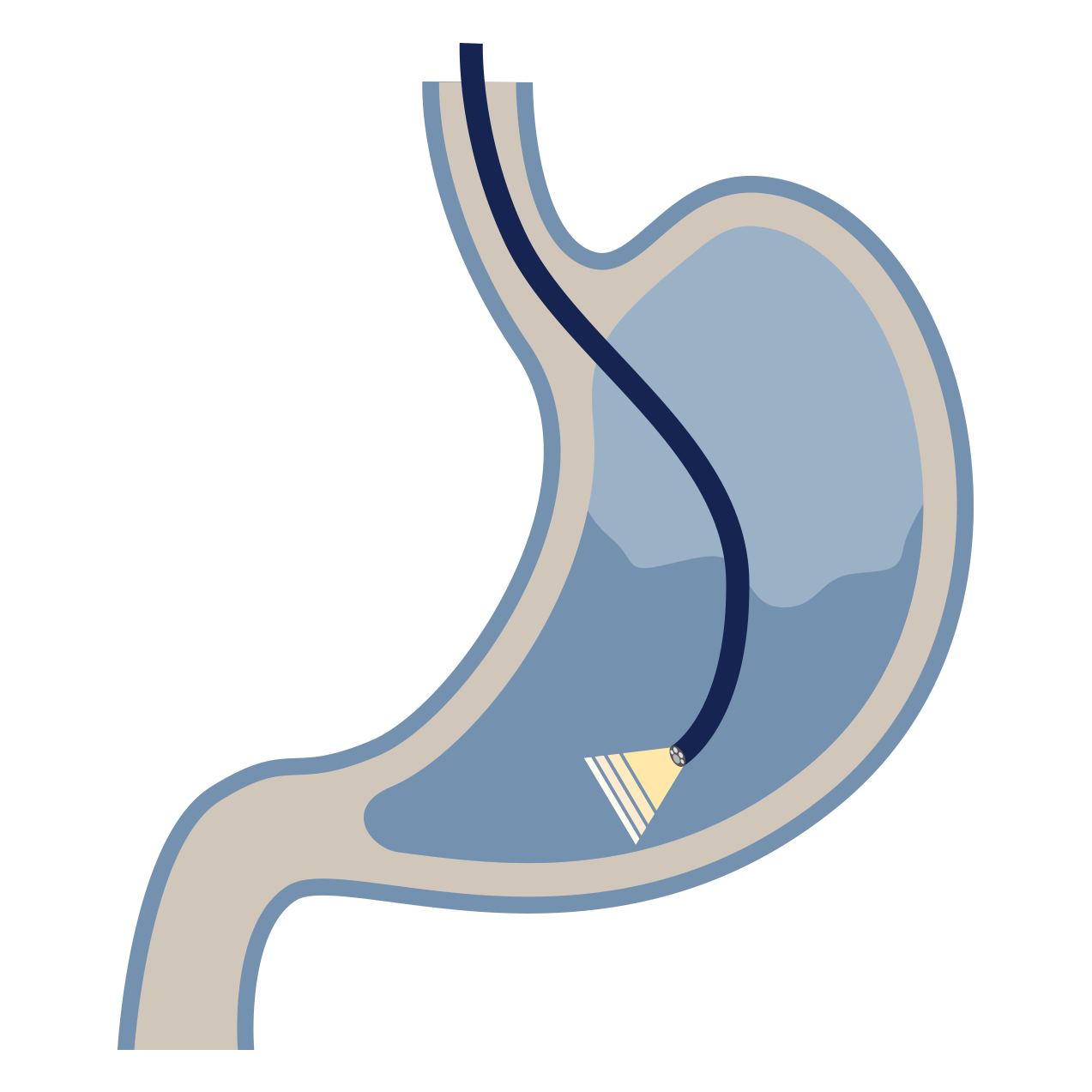
A gastroscopy, also known as an upper endoscopy or OGD (oesophago-gastro-duodenoscopy), is a procedure used to examine the upper part of the digestive tract, which includes the oesophagus (gullet), stomach, and duodenum (the first part of the small intestine).
During the procedure, a thin, flexible tube called an endoscope is used. This has a light and a small camera at the tip allowing for direct, visual inspection of the lining of the organs.
Why might you need a Gastroscopy?
A gastroscopy is performed for both diagnostic and therapeutic reasons.
Diagnostic reasons include investigating:
Persistent heartburn or reflux symptoms (GORD)
Difficulty or pain when swallowing (dysphagia or odynophagia)
Persistent nausea, vomiting, or indigestion
Unexplained abdominal pain
Bleeding from the upper GI tract (e.g., black/tarry stools or vomiting blood)
Iron deficiency anaemia (to look for a source of blood loss or malabsorption)
Screening or surveillance for conditions like Barrett's oesophagus or coeliac disease
Therapeutic reasons include:
Taking biopsies (small tissue samples) to test for conditions like cancer, Helicobacter pylori infection, or coeliac disease.
Removing polyps.
Treating bleeding ulcers.
Dilating (stretching) narrow areas (strictures) of the oesophagus.
Inserting feeding tubes.
Preparing for your Gastroscopy
To ensure a clear view and a safe procedure, your stomach must be completely empty.
Fasting: You must not eat or drink anything (including water) for a specified period, typically 6 hours prior to the procedure. Specific instructions will be provided by Dr Selvanderan's office.
Medication: You will be advised on which medications you should stop or continue. Blood-thinning medications, iron supplements or diabetes medications may need to be stopped or adjusted prior to the procedure.
What to expect?
The procedure is performed by Dr Selvanderan at several leading Melbourne hospitals and takes approximately 15 minutes.
Sedation: Dr Selvanderan works with a specialist anaesthetist for the procedure. Most patients receive light intravenous sedation (a 'twilight sleep') to ensure comfort and minimal memory of the procedure. A local anaesthetic spray may also be applied to the back of your throat.
During the procedure: You will lie on your left side. The endoscope is gently passed through your mouth and into your stomach and duodenum. Gas is gently pumped in to inflate the organs, allowing for a better view. Biopsies or other minimally invasive procedures will be performed as needed.
Your Recovery
Due to the sedation, you will be monitored in a recovery area until the effects wear off.
Discharge: You will usually be ready to go home within 1-2 hours after the procedure.
Post-sedation: You must not drive or operate machinery for the rest of the day. You must have a responsible adult escort you home and stay with you.
Sore throat: It is common to have a mild sore throat, hoarseness, or bloated feeling, which usually resolves within 24 hours.
Results: Dr Selvanderan will discuss the preliminary findings with you before you leave. A procedure report will be sent to your referring doctor. Biopsy results typically take several days and will be communicated to you and your referring doctor subsequently. Where required, a follow-up consultation will be arranged by Dr Selvanderan’s rooms.
Risks
Gastroscopy is a very safe procedure when performed by an experienced endoscopist. Potential risks, though rare, include:
Perforation: A tear in the wall of the oesophagus or stomach (very rare, less than 1 in 10,000 procedures).
Bleeding: Usually minor and stops spontaneously, but can occur if a biopsy or polyp removal is performed.
Reaction to sedation: Risks associated with the sedative medication.
Infection: Extremely rare.
Missed diagnosis: Although rare, the endoscope cannot examine every single fold, and some abnormalities may be missed.
Expert treatment and answers with a gastroscopy
If your GP has recommended a gastroscopy, or if you are experiencing persistent or worrying upper digestive symptoms, Dr Shane Selvanderan provides high-quality diagnostic and therapeutic gastroscopy, ensuring thorough assessment and clear answers regarding your condition.