
Inflammatory Bowel Diseases (IBD)
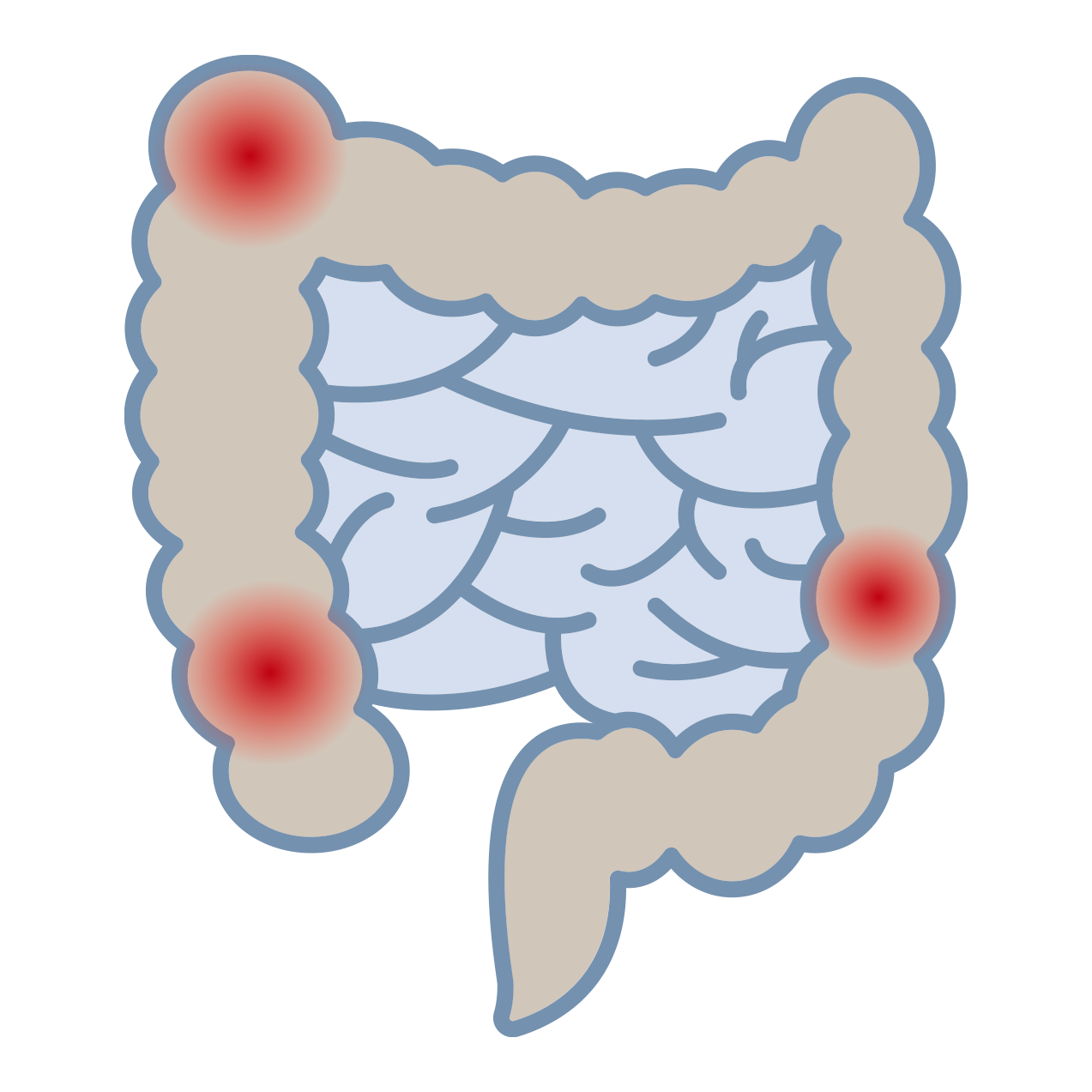
What is inflammatory bowel disease (IBD)?
Inflammatory bowel disease (IBD) is a group of chronic, relapsing-remitting inflammatory conditions of the gastrointestinal tract. The two main forms are Crohn's disease and ulcerative colitis. Both conditions involve the immune system attacking the gut, leading to chronic inflammation, ulceration, and often debilitating symptoms.
Symptoms and signs
Symptoms vary depending on the location and severity of the inflammation, but common signs include:
Persistent diarrhoea (often with blood or mucus)
Abdominal pain and cramping
Rectal bleeding
Weight loss and malnutrition
Fatigue and anaemia
Systemic symptoms such as joint pain (arthritis), eye inflammation, and skin issues
How is inflammatory bowel disease diagnosed and investigated?
Diagnosis typically requires a combination of clinical assessment, laboratory tests, and endoscopic procedures:
Blood and stool tests: To check for markers of inflammation (CRP, faecal calprotectin), anaemia, and nutritional deficiencies
Endoscopy (colonoscopy and gastroscopy): Essential for direct visualisation of the bowel lining, determining the extent of the disease, and taking biopsies for confirmation of the diagnosis
Imaging: CT, MRI, or Ultrasound, often used to assess the small bowel (e.g., MRI enterography for Crohn's disease) or to look for complications like abscesses or strictures.
Treatment and management of inflammatory bowel disease
The goal of IBD treatment is to reduce inflammation (induce remission), prevent flare-ups (maintain remission), and improve quality of life.
Medication: Treatment ranges from 5-aminosalicylates (5-ASAs) for mild disease to corticosteroids, immunomodulators (e.g., azathioprine), and advanced biologic therapies (e.g., anti-TNF agents) for moderate to severe disease.
Nutritional support: Important for managing malnutrition and vitamin deficiencies common in IBD.
Surgery: May be necessary to treat complications such as strictures, fistulas, or to remove the colon (colectomy) in severe ulcerative colitis

Take control of your IBD
Dr Shane Selvanderan provides expert consultation for the diagnosis and holistic management of IBD, including the initiation and monitoring of advanced therapies. He works collaboratively with patients and a multidisciplinary team including trusted dieticians and surgeons, to achieve long-term remission and improve quality of life.